In an era of endless digital scrolling and fleeting attention spans, a critical question surfaces for every brick-and-mortar retailer why is visual merchandising so important? The answer lies in its unparalleled power to transform a passive space into an active commercial storyteller. More than just arranging products, strategic visual merchandising is the fundamental engine of in-store success, directly influencing customer perception, emotional connection, and, ultimately, the decision to purchase. It is the silent, yet persuasive, language that communicates your brand’s value before a single word is spoken.
Think of your storefront and interior as a three-dimensional brand manifesto. Visual merchandising is the critical tool that crafts this narrative, curating the atmosphere, guiding the customer journey, and highlighting products in a way that digital thumbnails simply cannot replicate. It’s what turns inventory into an immersive experience and browsers into loyal buyers. By intentionally designing this environment, retailers answer the core question of why visual merchandising is important it is the primary method for controlling the in-store narrative, creating memorable moments, and building a tangible brand world that customers want to enter and return to.
This goes beyond aesthetic appeal; it’s a sophisticated commercial strategy. From the logic of your floor plan to the drama of your window display, every visual element is a cog in a machine designed to optimise engagement and drive revenue. In the following sections, we will dissect the multifaceted roles of visual merchandising, exploring how it directly boosts sales, forges a powerful brand identity, and creates the competitive advantage that makes physical retail not just survive, but thrive.
How Visual Merchandising Directly Drives Revenue

Visual merchandising operates as a continuous and silent sales force, working to convert interest into transactions from the moment a customer enters the store. Its most direct impact on revenue is through the strategic triggering of impulse purchases. By placing complementary, high-margin, or new products in high-traffic areas such as near the checkout, on endcaps, or along main aisles, retailers create unexpected discovery moments. These carefully curated displays break the customer’s planned shopping journey, presenting items as compelling solutions or irresistible temptations. This tactic capitalises on dwell time and visual appeal, effectively adding items to the basket that were never on the shopping list, thereby incrementally boosting the total sale without any active persuasion from staff.
Furthermore, visual merchandising is instrumental in increasing the average transaction value. This is achieved through techniques like outfit grouping or cross-merchandising, where related products are displayed together to tell a complete story. Seeing a shirt, jacket, and trousers styled as a cohesive ensemble encourages the customer to purchase the entire look rather than a single item. Similarly, placing cooking utensils next to premium ingredients, or smartphone accessories adjacent to devices, suggests necessity and convenience. This strategy not only sells more units per transaction but also educates the customer on product use, enhancing perceived value and justifying a larger overall spend. It transforms a simple purchase into a holistic solution.
The strategic organization of space through planograms and zoning also plays a critical financial role. By analyzing sales data and customer flow, visual merchandising ensures that the most profitable and popular products are given prime positioning. High-demand items are placed at eye level in key zones to capture attention and drive volume, while strategic placements of slower-moving stock can help clear inventory. This scientific approach to space allocation maximizes the sales potential of every square foot of the store. It ensures that bestsellers work hard to generate revenue while systematically improving the turnover of all inventory, directly contributing to healthier profit margins and reduced markdowns.
Effective visual merchandising also accelerates the sales cycle by reducing friction and decision fatigue for the shopper. A clearly signed, logically organized, and aesthetically pleasing store environment allows customers to find what they need quickly and easily. This positive experience minimizes frustration and basket abandonment. When products are displayed with clear price information, compelling benefits, and in an orderly fashion, the customer can make confident purchasing decisions faster. This efficiency not only improves customer satisfaction but also increases the store’s overall capacity for sales by enabling a smoother turnover of customers, especially during peak periods.
Ultimately, the revenue impact is solidified through the creation of a premium brand experience that justifies price points and fosters loyalty. A meticulously merchandised store communicates quality, care, and brand value. Customers perceive greater value in products presented within a clean, organized, and aspirational environment, making them more willing to pay full price. This perceived value protects against the need for constant discounting to drive sales. By consistently delivering an engaging sensory experience, visual merchandising turns one-time buyers into repeat customers. This loyalty ensures a steady stream of future revenue, proving that investment in the visual environment is not an operational cost but a direct driver of sustainable financial performance.
Why Visual Merchandising Is Important: The 5 Key Business Impacts
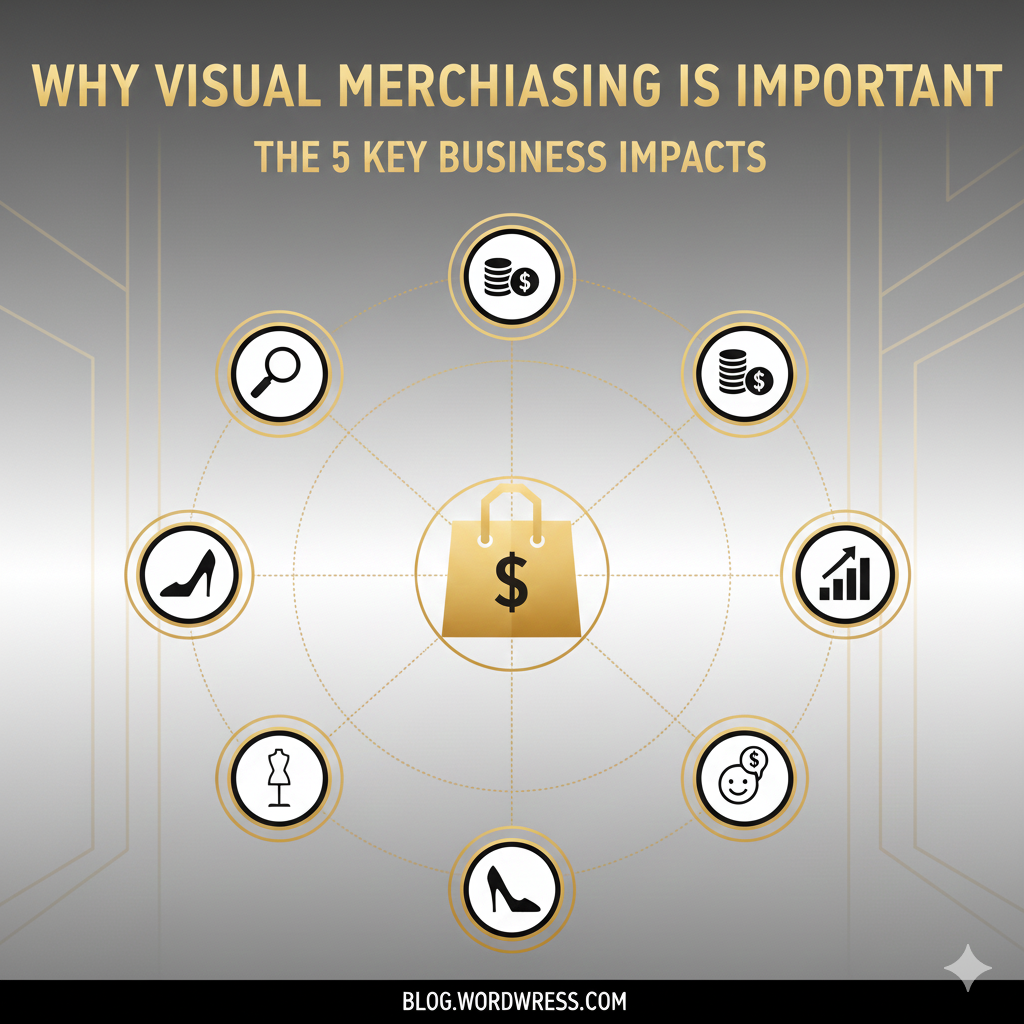
Visual merchandising transcends aesthetic store decoration to function as a core revenue center and strategic business tool. Its importance is quantified through direct, measurable impacts on a retailer’s financial health and market position. By strategically orchestrating the in-store environment, visual merchandising influences consumer behavior at every touchpoint, transforming passive space into an active commercial asset. The rationale for investing in this discipline is clear when examined through five essential business impacts that determine retail success.
The first and most direct impact is the significant boost in sales revenue and profitability. This is achieved through deliberate techniques designed to maximize every customer interaction. Strategic product placement, such as locating high-margin items at eye level or featuring complementary products together, encourages add-on purchases and increases the average transaction value. Impulse buys are generated by creating compelling, accessible displays in high-traffic zones like checkout areas. Furthermore, a well-organized and appealing presentation enhances the perceived value of merchandise, reducing reliance on discounting and protecting margin integrity. This direct correlation between visual presentation and sales performance makes it a fundamental driver of top-line growth.
Secondly, visual merchandising is the primary engine for building and communicating a powerful, consistent brand identity. The store environment is a physical manifestation of the brand’s promise, values, and positioning. Every element, from lighting and music to fixtures and color schemes, tells a cohesive story. A luxury brand utilizes minimalist design, premium materials, and ample space to communicate exclusivity, while an outdoor adventure brand might use rustic textures, dynamic displays, and interactive elements to evoke a sense of exploration. This sensory brand experience creates an emotional connection with customers, fostering loyalty and ensuring the brand is remembered and differentiated from competitors.
The third critical impact is the enhancement of the customer experience and journey. Effective visual merchandising acts as a silent guide, reducing friction and creating a seamless, enjoyable shopping trip. Clear navigation, logical product grouping, and intuitive signage help customers find what they need efficiently, minimizing frustration. Engaging displays that tell stories or solve problems create moments of discovery and engagement, increasing dwell time and satisfaction. A positive, memorable experience not only facilitates the immediate sale but also turns a shopper into a repeat visitor, building long-term customer lifetime value that is essential for sustainable business.
Fourth, visual merchandising delivers substantial operational efficiencies and optimizes inventory performance. A well-planned floor plan and stock placement system make restocking and inventory management more efficient for staff. The use of planograms, or detailed visual layout plans, ensures that merchandise is displayed to its fullest potential and that best-selling items are always prominently featured. This scientific approach to space allocation helps sell through inventory more effectively, reducing the need for deep markdowns to clear old stock. By making the store easier to manage and shop, it lowers operational costs while simultaneously improving sales productivity.
Finally, in an era dominated by digital commerce, visual merchandising creates the physical store’s indispensable competitive advantage. It offers an immersive, tactile, and experiential element that cannot be replicated online. A store can provide instant gratification, personal touch, and a community feel that builds deeper brand relationships. By focusing on creating remarkable in-person experiences through innovative displays, interactive zones, and sensory engagement, retailers give customers a compelling reason to visit. This unique value proposition is vital for driving foot traffic, building brand authority, and securing a lasting market position against pure e-commerce players.
In the last, the importance of visual merchandising is rooted in its multifaceted role as a profit driver, brand builder, experience enhancer, operational optimiser, and competitive differentiator. These five key business impacts demonstrate that it is not merely a creative expense but a strategic investment. A disciplined, customer-centric approach to visual merchandising directly shapes purchasing decisions, cultivates brand loyalty, and builds a resilient, profitable retail business capable of thriving in a dynamic market landscape.
The Strategic Science Behind Store Design
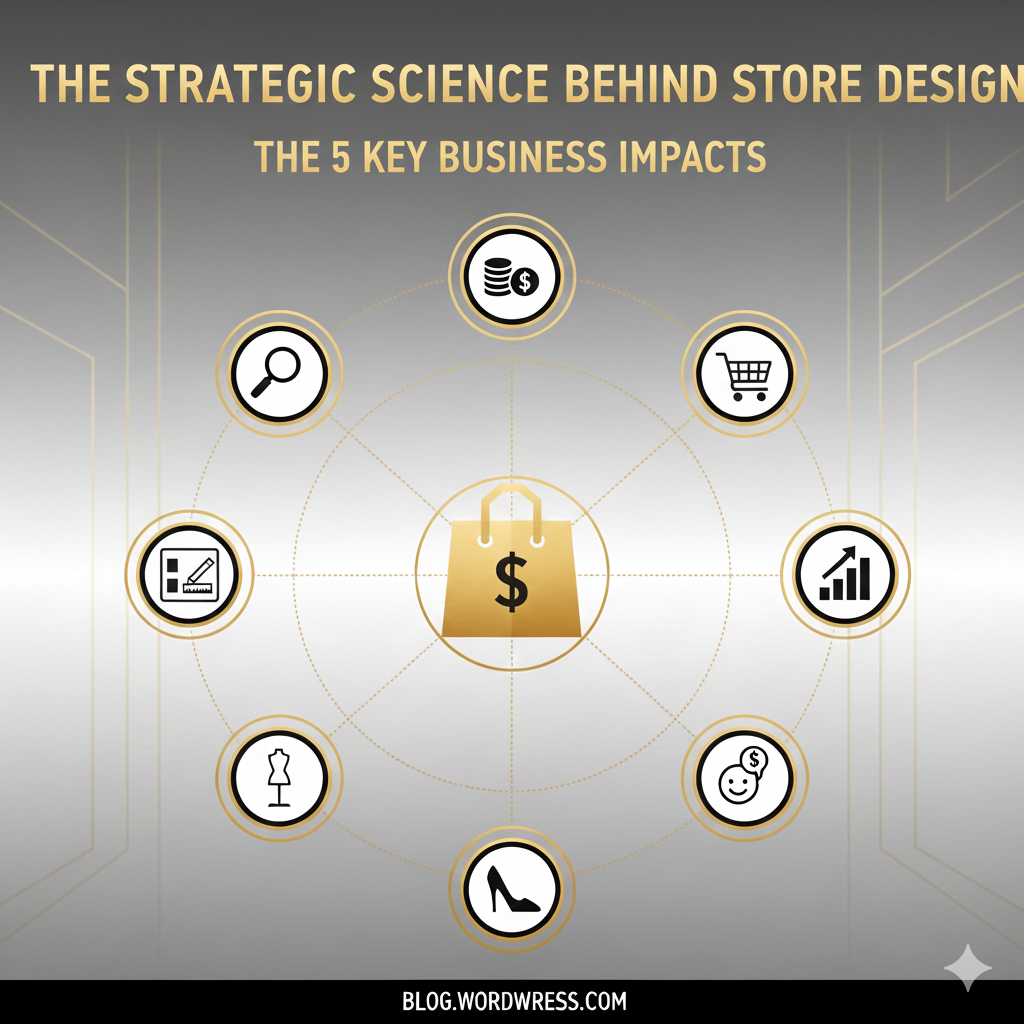
Modern store design is a sophisticated discipline rooted in applied behavioral science and data analytics, far removed from arbitrary aesthetic choices. It begins with a deep understanding of consumer psychology and the deliberate orchestration of the customer journey. Every element, from the store’s entrance to the checkout zone, is meticulously planned to influence perception, guide movement, and encourage specific behaviors. This science leverages principles such as the decompression zone, which allows customers to transition from the outside world, and the golden triangle, a high-impact area between key merchandise destinations designed to maximize exposure to high-margin items. The foundational layout, whether grid, loop, or free-flow, is selected based on the brand’s goals, the type of merchandise, and the desired shopping experience, setting the stage for all subsequent commercial interactions.
The strategic placement of fixtures and the management of sightlines are calculated to control traffic flow and product discovery. Designers use planograms, which are detailed schematics, to determine the exact location of every product based on sales velocity, profitability, and strategic importance. High-demand anchor products are often placed at the back or center of the store to pull customers through other merchandise, a tactic known as the draw. Angled fixtures and curved pathways are employed to slow down movement and increase dwell time in specific sections, while clean, unimpeded sightlines to feature displays create visual invitations that pull customers deeper into the space. This careful choreography ensures that merchandise tells a story and that customers are exposed to a maximum range of products.
Sensory elements are calibrated with precision to subconsciously shape the shopping experience and reinforce brand positioning. Lighting is not merely functional but strategic. Bright, focused accent lighting highlights promotional areas and creates drama, while softer, ambient lighting in fitting rooms flatters the customer. Studies on color psychology inform palette choices, with warm tones often used to stimulate and cool tones to relax. Even scent and sound are curated components of the scientific design. A subtle, brand-specific fragrance can enhance recall and dwell time, while a carefully programmed soundtrack at the correct tempo and volume can influence pace and mood. These multisensory inputs work in concert to create a cohesive atmosphere that aligns with the brand’s identity and the customer’s expectations.
The integration of technology and data has elevated store design from a static art to a dynamic, responsive science. Retailers now use heat-mapping technology from video analytics and Wi-Fi tracking to visualize customer movement patterns, identifying hotspots and dead zones. This empirical data informs iterative redesigns and merchandise placement. Digital signage allows for real-time content updates based on inventory levels, time of day, or targeted promotions, making the environment adaptive. The creation of digital twins, or virtual replicas of the store, enables designers and merchandisers to simulate new layouts and visualize changes in customer flow and product exposure before implementing them physically, minimizing risk and optimizing for performance.
Ultimately, the strategic science of store design is a continuous cycle of hypothesis, implementation, and measurement. It treats the retail floor as a laboratory for commercial optimization. A new layout or display concept is a test, and its success is measured through key performance indicators such as sales per square foot, conversion rate, average transaction value, and customer satisfaction scores. This data-driven feedback loop ensures the store environment is constantly evolving in response to consumer behavior and market trends. Therefore, successful store design is not about following fleeting trends but about deploying a scalable, analytical framework that systematically removes friction, amplifies brand value, and scientifically drives commercial outcomes.
Conclusion
In summary, visual merchandising stands not as a peripheral element of retail, but as its central nervous system. It is the critical interface where brand strategy, customer psychology, and commercial objectives converge within a physical space. The evidence is clear: from driving impulse purchases and increasing average transaction values to forging indelible brand loyalty and creating a defensible competitive advantage, every disciplined investment in the visual environment yields direct and measurable returns. To overlook its power is to ignore a fundamental lever for growth, leaving revenue potential unrealised and customer connections weakened. For any retailer aiming to thrive, prioritising sophisticated visual merchandising is not a matter of choice but a commercial imperative.
Furthermore, the journey through its principles reveals that visual merchandising is a unique synthesis of art and science. It requires the creative eye of a storyteller to craft compelling narratives and aspirational moments, paired with the analytical mind of a strategist to interpret data, optimize layouts, and validate decisions through key performance indicators. This dual nature empowers retailers to create experiences that are both emotionally resonant and ruthlessly effective. It transforms the store from a static warehouse of goods into a dynamic, adaptive stage that can respond to trends, seasons, and individual customer behaviors, ensuring the retail space remains perpetually relevant and engaging.
Ultimately, the true conclusion is that visual merchandising is the definitive language of physical retail in the modern age. In a world saturated with digital noise, it offers the tangible, sensory, and human-centric experience that consumers crave. It is the key to transforming passive shopping into active discovery, fleeting transactions into lasting relationships, and mere products into cherished brand affiliations. As retail continues to evolve, those who master this language who understand and implement its strategic science and creative art will not only survive the shifts in the marketplace but will define its future, building enduring destinations that customers choose to visit, time and again.
Frequently Asked Questions
- How can I measure the direct ROI of visual merchandising in my store?
Measuring the return on investment involves tracking specific key performance indicators before and after changes to your visual strategy. Primary metrics include sales per square foot, which indicates how effectively your space generates revenue, and average transaction value, which reveals whether product grouping and placement encourage larger purchases. Monitor the sell-through rate of featured merchandise in promotional displays versus standard shelving. Customer conversion rate and dwell time, often measured through traffic counters or heat-mapping software, show how effectively your layout engages shoppers. A consistent increase in these metrics following a strategic visual merchandising update directly correlates to its positive ROI, proving its value as a commercial driver, not just an aesthetic cost.
- What is the most important element to focus on if I have a limited budget for visual merchandising?
With a limited budget, the single most impactful focus should be on creating a clear, coherent, and clean customer journey. This foundational element costs little but delivers immense value. Ensure your store is impeccably organized, well-lit, and easy to navigate. Prioritize decluttering, implementing clear signage, and creating a logical flow that guides customers past your key merchandise. A clean, organized store with a strong focal point at the entrance builds immediate customer trust and reduces frustration. This enhances the perceived value of your products and makes shopping effortless. Before investing in high-cost fixtures or technology, mastering these fundamentals of space and flow will yield the most significant immediate improvement to the customer experience and sales performance.
- How does visual merchandising remain relevant with the continued growth of online shopping?
Visual merchandising becomes more critical, not less, as online shopping grows. Its role evolves to provide the irreplaceable advantages of physical retail: tangible experiences, instant gratification, and deep emotional brand connection. Your store must function as the ultimate brand experience center and a powerful antidote to digital fatigue. Use visual merchandising to create immersive, memorable, and shareable moments that cannot be replicated on a screen. This includes interactive displays, sensory engagement, and expert product storytelling that builds community and trust. In an omnichannel world, effective visual merchandising drives foot traffic by giving consumers a compelling reason to visit, turning your physical location into a vital tool for customer acquisition, loyalty, and differentiation from pure-play e-commerce competitors.