At its core, the role of retail visual merchandising is to maximise sales by designing and curating the in-store environment strategically. It goes beyond simple decoration, serving as a silent yet powerful sales force that guides the customer journey, highlights key products, and reinforces brand identity. This critical function directly influences purchasing decisions by making merchandise visually appealing and easily accessible, thereby converting browsers into buyers.
Visual merchandising also plays a pivotal role in building an emotional connection and crafting a memorable brand experience. Through the thoughtful use of lighting, colour, props, and spatial arrangement, retailers can tell a compelling story and evoke specific feelings from luxury and exclusivity to warmth and value. This sensory engagement differentiates a brand from its competitors, fosters customer loyalty, and encourages longer dwell times in-store, which statistically increases the likelihood of a purchase.
Furthermore, in today’s omnichannel retail landscape, effective visual merchandising bridges the gap between physical and digital shopping. Window displays and in-store installations are often shared on social media, generating free marketing and driving foot traffic. It is a dynamic blend of art, psychology, and commerce that continuously adapts to seasons, trends, and inventory needs. Ultimately, by optimising the visual presentation of goods, retailers not only boost immediate revenue but also invest in the long-term equity and perception of their brand.
Building Brand Identity and Emotional Connection
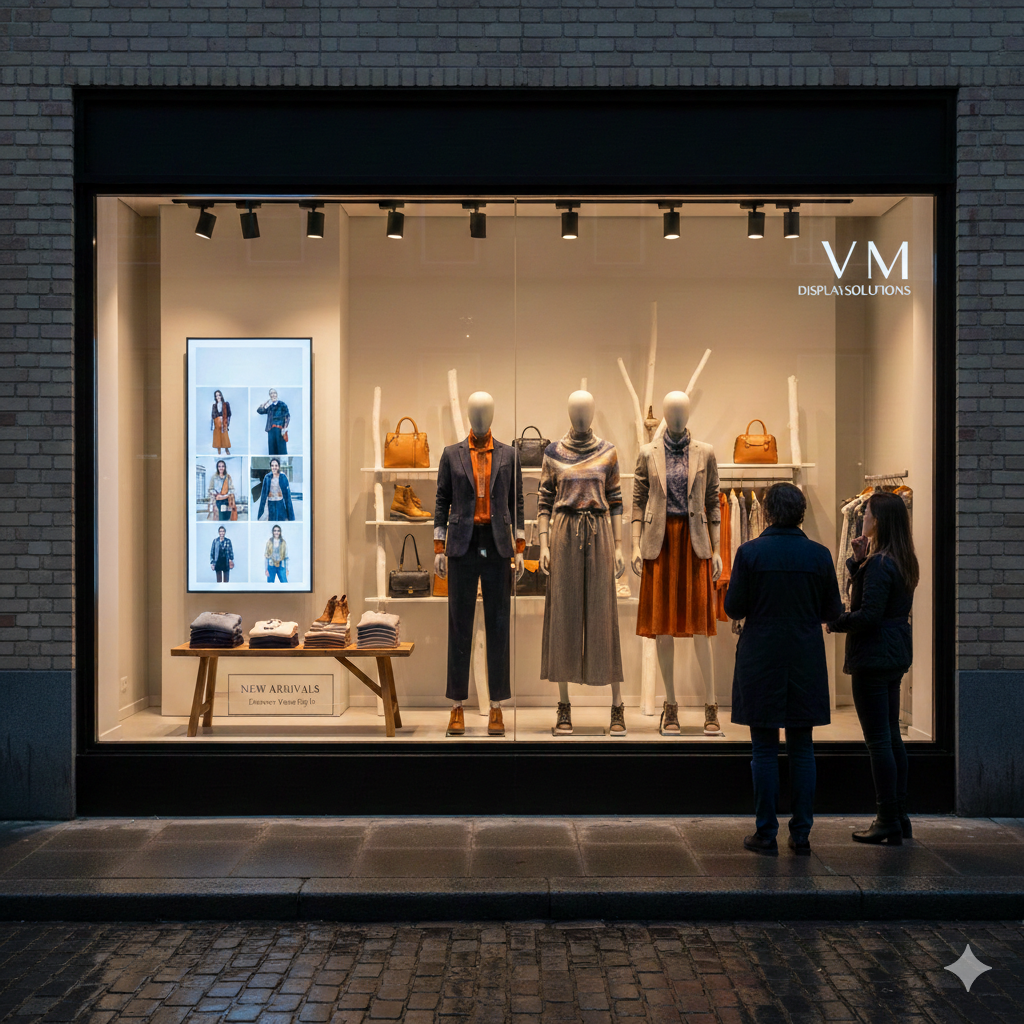
- Visual Identity Translation: Retail visual merchandising is a foundational brand-building tool. It uses every design element—from minimalist aesthetics to vibrant layouts—as a visual ambassador to communicate core values, allowing customers to instantly understand the brand’s identity.
- Multi-Sensory Engagement: It fosters deep engagement by strategically using lighting, color, texture, and materials to create a specific atmosphere. This curated sensory experience transforms shopping from a transaction into an immersive encounter, building an emotional bridge to the brand.
- Narrative Storytelling: Visual merchandising tells stories through displays and installations, showing customers how products fit into relatable lifestyles and aspirations. This narrative approach transforms merchandise into parts of a desirable story, strengthening emotional connection.
- Driving Emotional Loyalty: The positive feelings evoked by a well-crafted environment—feeling inspired, understood, or elevated become attached to the brand itself. This builds lasting loyalty, turning customers into returning patrons and vocal advocates.
- Competitive Differentiation: In a crowded market, a distinct and emotionally engaging atmosphere is a key advantage. It gives customers a reason to choose a brand beyond price, creating a unique experience that is difficult to replicate online or by competitors.
- Long-Term Brand Investment: Investing in visual merchandising builds long-term brand equity. It shapes enduring customer perception and feelings, transforming occasional shoppers into devoted patrons and securing a valued place in the customer’s mind for a lifetime of loyalty.
From Window to Wonder: How Visual Design Communicates Your Brand’s Core Story
- The Store as Brand Translation: A store’s visual design is the primary, non-verbal language that communicates a brand’s core values and identity before any direct interaction occurs. Visual merchandising strategically translates abstract brand principles into a tangible, three-dimensional experience.
- Space as Philosophy: The spatial layout and product presentation directly articulate the brand’s philosophy. An open, interactive floor plan communicates accessibility and community, while controlled circulation and curated vignettes with negative space convey exclusivity and luxury.
- Consistency Builds Trust: Building a coherent brand experience requires visual consistency across all touchpoints, from windows to signage to music and materials. This uniformity reinforces the brand promise, enhances recognition, and strengthens customer trust and recall.
- Visual Filtering of Perception: The designed environment acts as a perceptual filter, attracting customers who align with the brand’s visual world and values, while gently repelling those who do not. This creates a “tribe” of primed customers who feel a sense of belonging.
- Strategic Embodiment of Brand Soul: Ultimately, visual design is the strategic, physical embodiment of the brand’s soul, not mere decoration. It affirms the brand’s beliefs, fosters values-driven connections, and builds the foundation for lasting customer relationships beyond individual transactions.
Creating Sensory Experiences That Drive Engagement
- Shift from Visual to Full Sensory Design: Modern retail requires moving beyond visual appeal to create a holistic sensory environment. This strategy immerses customers in a memorable brand atmosphere, directly influencing their emotions, memories, and engagement to increase dwell time and connection.
- Strategic Use of Sound: Curated audio, including music and controlled ambient noise, sets the foundational emotional tone and influences the pace of the shopping experience. It works subconsciously to make an environment feel exclusive or vibrant.
- Power of Signature Scent: Scent is a direct trigger for emotion and memory. A unique, brand-specific fragrance creates a powerful olfactory fingerprint that fosters recall and desire, encouraging customers to return.
- Importance of Tactile Engagement: Allowing customers to touch products and interact with displays builds authenticity, trust, and a tangible connection. This physical interaction demonstrates quality and increases psychological ownership, making products more desirable.
- Holistic Role of the Experience Architect: Integrating these elements redefines visual merchandising as designing for the complete customer. This multi-sensory immersion creates a profound sense of place, transforms shopping into an event, and secures the physical store’s competitive advantage.
Conclusion
In essence, visual merchandising stands as a critical strategic function where art and commerce converge. It transcends mere decoration to become a silent, persuasive language that communicates brand identity, curates customer journeys, and directly stimulates sales. By mastering this visual and sensory dialogue, retailers transform their physical spaces from simple points of transaction into powerful engines for brand perception and emotional connection, ensuring the store remains a relevant and compelling destination.
The ultimate goal is to create a cohesive and immersive environment that not only showcases products but also tells a story and triggers both logical and emotional decisions. From the strategic use of color and light to the deliberate engagement of touch and scent, every detail works in concert to shape perception, build memories, and foster loyalty. This holistic approach acknowledges that customers are not just shoppers but participants in an experience, making the environment itself a key part of the product offering.
Therefore, investing in sophisticated visual merchandising is an investment in the brand’s future. In an omnichannel world, the physical store’s unique value is its ability to offer this multi-sensory, tangible brand immersion. By leveraging visual merchandising to its full potential, retailers do more than optimize floor space they create a vital, memorable touchpoint that strengthens customer relationships, differentiates from competitors, and secures the enduring power and relevance of the brick and mortar brand experience.
Frequently Asked Question
1. How does visual merchandising directly drive sales in a retail store?
Visual merchandising drives sales by strategically guiding the customer journey and maximizing product appeal. It places key or high-margin items in high-traffic areas, creates visually compelling displays that tell a story, and makes merchandise easily accessible. By reducing clutter and using techniques like color blocking and thematic setups, it simplifies decision-making, encourages add-on purchases, and ultimately converts casual browsers into confident buyers.
2. How can visual merchandising create a memorable brand experience?
It creates a memorable brand experience by engaging multiple senses and building an emotional narrative. Through consistent use of colours, materials, lighting, and even curated scents and music, visual merchandising crafts a unique atmosphere that embodies the brand’s identity. This multi-sensory immersion fosters an emotional connection, making the shopping trip an event rather than an errand, which enhances brand recall and loyalty.
3. How is visual merchandising used in an omnichannel retail strategy?
In an omnichannel strategy, visual merchandising bridges the physical and digital worlds. Striking window displays and in-store installations are designed to be “Instagrammable,” generating organic social media content and online buzz that drives foot traffic. Furthermore, the cohesive brand experience crafted in-store reinforces the same identity customers see online, creating a seamless customer journey that encourages engagement across all platforms.