For brands on competitive high streets and in busy shopping centres, standing out from the crowd can feel like an ever-trickier task. Retail window displays are the crucial first point of contact between a brand and its customers.
A well-executed window display can make all the difference between being overlooked and attracting customers. In point of fact, a study published in the Journal of Retailing and Consumer Services demonstrates that window displays have a significant impact on consumer decisions, prompting bystanders to decide whether or not to enter a store. Window displays are effective marketing strategies for showcasing a brand’s identity, generating excitement, and increasing foot traffic when used strategically.
Creating the most impactful display isn’t just about choosing a single format, though. Depending on its location, target market, products, and brand identity, each store has distinct requirements. In practice, this means retailers must choose the type of window display carefully to ensure maximum impact.
We discuss the various kinds of retail window displays and offer advice on how to get the most out of each one in this guide.
The 6 main types of window displays
1. Open window displays
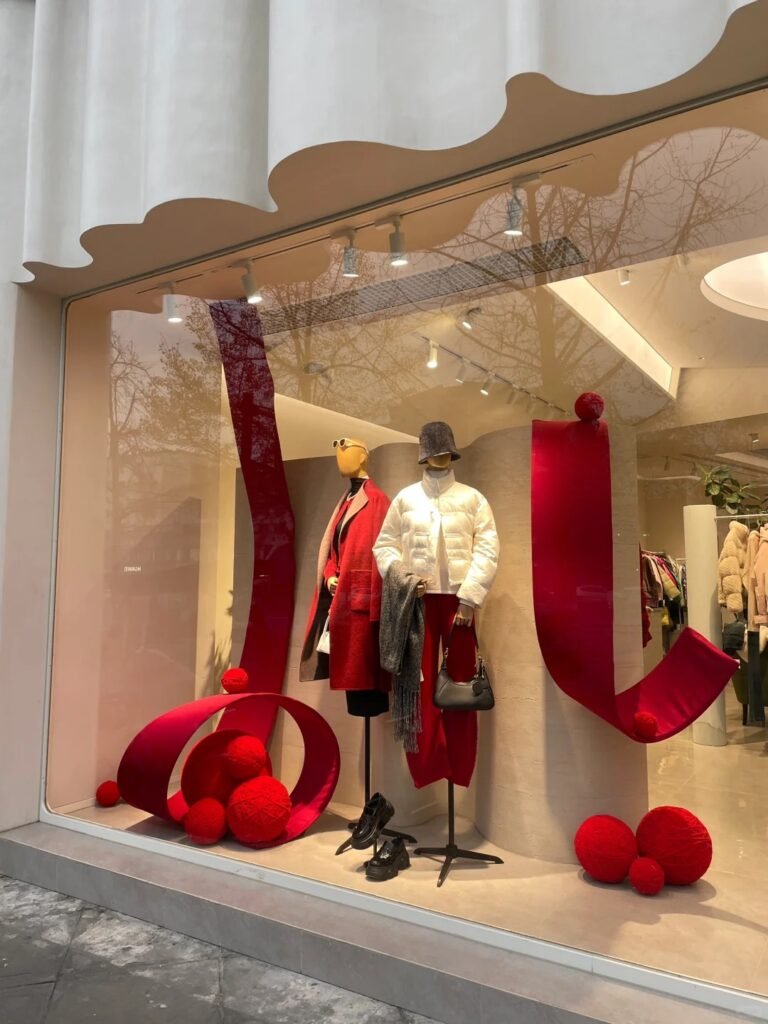
There are no barriers or backdrops for Open window displays (such as screens, walls, or graphic displays) behind the products in open window displays, allowing for a clear view into the store through the display. The shop’s activity and atmosphere are tapped into by this open design, eliciting excitement and curiosity. These displays are great for brands that put a lot of money into in-store experiences or have prominent interior visual merchandising because they encourage people to look inside to see what’s going on.
Advantages:
blends the interior of the store with the display to create an inviting atmosphere. displays activity and atmosphere in-store to pique curiosity. Works well for brands that focus on experiences and lifestyles and have activities or product activations in stores.
Challenges:
- Untidy wiring or fixtures can detract from the presentation.
- Risk of overcrowding the space with too many products.
Best practices for effective open window displays:
- Keep wiring tidy: Manage any wiring and fixture visibility carefully to avoid a cluttered or unfinished look. Explore power delivery systems for a sleek solution.
- Minimalist approach: Avoid overcrowding with too many items or visuals that can overwhelm the space.
- Highlight in-store experiences: Use visual cues that showcase exciting in-store activities to draw people inside.
- Example: A sportswear store might feature mannequins in action poses with open views of the shop floor beyond, integrating a live fitness demonstration that draws in passers-by.
2. Closed window displays
Closed window displays are separated from the rest of the store by solid walls or backdrops. These walls may be installed temporarily for a specific product promotion or seasonal campaign, or they may be permanent architectural elements of the store itself.
This setup draws focused attention to the products on display without distractions from the interior. They’re particularly effective for luxury brands wanting to create high-impact, immersive promotions.
Advantages:
- Creates a controlled visual environment to spotlight specific products.
- Prevents distraction from store interiors, focusing entirely on the display.
- Ideal for high-end or themed product presentations.
- Provides additional merchandising space on floating shelves fixed to the dividing wall.
Challenges:
Can feel isolating or detached if not executed well.
Requires careful lighting to avoid a boxed-in appearance.
Best practices for effective closed window displays:
- Use luxurious materials: High-quality textures and finishes enhance the premium feel.
- Incorporate accent lighting: Use spotlights and LED lightboxes to highlight key products without causing glare.
- Add depth: Layered backgrounds and multi-dimensional elements prevent flat, uninspiring presentations.
- Example: A luxury fashion retailer might use a velvet backdrop with LED-lit shelving to display limited-edition pieces against a rich, textured background.
3. Semi-closed window displays
As the name suggests, semi-closed window displays are a hybrid of closed and open. They achieve this equilibrium by employing walls of half height or partial barriers. These displays allow glimpses into the store while maintaining a framed display area, creating a blend of structure and openness that suits a wide range of retail environments.
Advantages:
- Achieves strong visual balance, making it versatile for different store types and product ranges.
- Creates a sense of flow between the inside and outside.
- Can be manufactured cost-effectively thanks to modular or movable elements that are quick to update with changing seasons.
- Great for spaces with limited access to natural light, as daylight can still pass through the display into the store.
Challenges:
- Different illumination levels inside and outside the store can cause lighting issues (e.g. glare, and harsh contrast).
- Untidy store interiors can lead to cluttered aesthetics.
Best practices for effective semi-closed window displays:
- Create visual depth: Use layered elements that draw the eye through the display and into the store, making the most of the partially open format.
- Highlight hero products: Focus on showcasing a curated selection of key items to avoid overcrowding the space.
- Opt for modular systems: Freestanding tension fabric systems (TFS) or movable partition walls are ideal for flexible updates and maintenance.
- Blend graphics with real products: Integrate branded graphics that match the store’s aesthetic, creating a cohesive visual transition between the display and the shop floor.
- Example: A semi-closed window display in a fashion store might feature half-height tension fabric frames fitted with seasonal graphics (illuminated or non-illuminated), allowing customers to see both the showcased outfits and the stylish interior beyond.
4. Elevated window displays
Products are positioned on plinths, podiums, or raised platforms in elevated window displays to bring them closer to the viewer’s eye level. This method is especially useful for small goods like jewelry or cosmetics that might otherwise be overlooked.
Advantages:
- Increases product visibility by elevating items to eye level.
- Enhances the sense of prestige, especially when combined with high-quality materials.
- Perfect for smaller, luxury, or high-value items.
Challenges:
- Risk of appearing disconnected from the store floor if not integrated well.
- Stability issues if plinths or podiums are not securely anchored.
Best practices for effective elevated window displays:
- Use high-quality materials: By elevating displays, everything is the centre of attention. Specify quality materials where possible to maximise impact.
- Incorporate accent lighting: Use LED lightbars or spotlights to draw attention to elevated items.
- Vary heights: Create a visually dynamic scene by using platforms of different heights.
- Example: A jewellery store might use mirrored plinths at varying heights, with focused LED lighting that catches the sparkle of gemstones and draws attention from afar. Glass display cabinets on top of these plinths provide the perfect secure merchandising space for high-value items.
5. Corner window displays
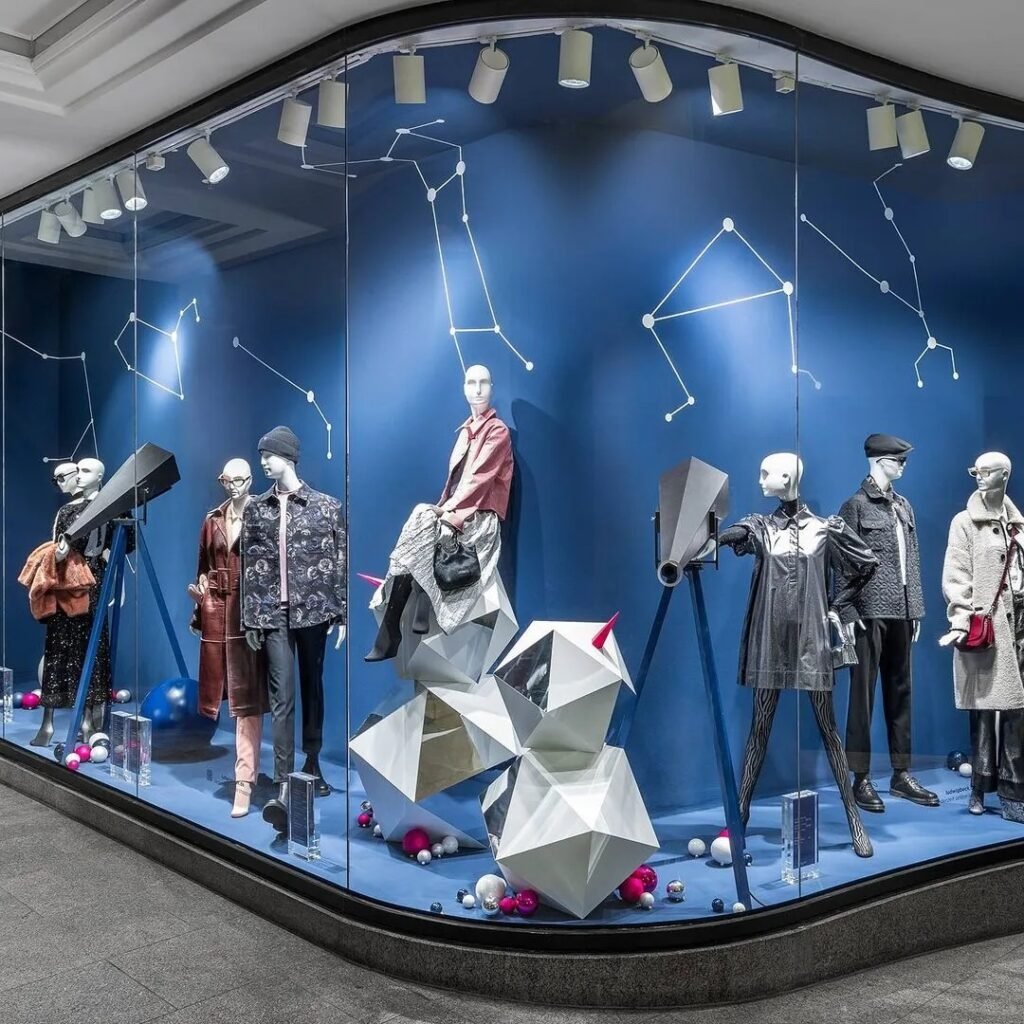
Displays for corner windows can be seen from a variety of angles and directions because they are located at the intersection of two exterior walls. They work best in stores that are on busy street corners where pedestrian traffic comes from all directions.
Advantages:
- Maximises visibility by attracting attention from multiple angles.
- Creates visual drama through the use of contrasting themes or layered elements.
- Ideal for showcasing new collections or products with intricate detailing.
Challenges:
- Complex to design effectively, as the angle can distort perspectives.
- Requires coordinated lighting from both directions to avoid shadows.
Best practices for making the most of corner window displays:
- Layer the space: Use overlapping elements to create depth, dimension, and extra visual intrigue.
- Adapt lighting angles: Make sure lighting is well-balanced from all sides to avoid dark spots.
- Dynamic graphics: Use motion graphics or illumination sequences (see Kinetik LED lightboxes for an example) to capture attention from different angles.
- Example: A fashion or jewellery retailer might position mannequins at the junction with layered backdrops, adding visual interest from every direction. Corner displays combine well with closed window displays to create an immersive installation.
6. Island Window Displays
Island window displays are freestanding installations located centrally within a large storefront. Customers can walk around these displays, which provide 360-degree visibility. They work best in flagship and department stores that have open-plan interiors and space for grand, dramatic presentations.
Advantages:
- Viewable from all sides, increasing exposure and interaction with key product activations.
- Creates a bold visual statement that dominates the storefront.
- Allows for multi-product displays and layered storytelling, which is ideal for seasonal or collection-based promotions.
Challenges:
- Requires a large, open area to avoid appearing cluttered, so not typically suitable for high street or small stores.
- Exposed on all sides, so requires consistent upkeep to ensure it stays looking impressive.
Best practices for leveraging island window displays:
- Create visual flow: Arrange products in a circular or radial pattern to guide the eye naturally.
- Use multi-level shelving: Tiered displays ensure all items are visible from different perspectives.
- Incorporate decorative lighting: Use statement LED fixtures to maximise impact and catch the attention of shoppers, even at a distance.
- Example: A department store, such as River Island’s Bullring flagship pictured above, might feature an island display showcasing seasonal fashion collections, with mannequins at varying heights and LED signage emphasising featured items.
Creative window display ideas for different sectors
At vmdisplaysolution, we have decades of experience manufacturing displays for retail spaces of all types, shapes, and sizes, and we know one thing to be true: window displays are not a one-size-fits-all solution.
Window display strategies should be tailored to your industry to ensure they resonate with your target customers and maximise impact on customer foot traffic, brand recall, and product promotion.
An unconventional, eco-conscious homeware store selling large furniture pieces, for instance, will require a completely different strategy than a high-end jewellery store selling exclusive pieces worth tens of thousands of dollars each. Here’s an overview of what works for a range of different sectors, based on the tips we’ve picked up over the years…
Conclusion
Selecting the right type of retail window display is a strategic decision that goes far beyond mere aesthetics; it is about creating a compelling visual dialogue with potential customers that reflects your brand’s identity and values. Whether you opt for the immersive allure of a closed display, the inviting transparency of an open design, or the balanced appeal of a semi-closed format, each style offers unique opportunities to capture attention and drive foot traffic. The most successful window displays consider not only the products being showcased but also the store’s architecture, location, and target audience, creating a seamless experience that transforms passers-by into visitors.
Ultimately, the art of visual merchandising lies in understanding how these different display types can work in harmony with your overall retail strategy. By carefully considering the practical advice and sector-specific insights outlined in this guide, store designers can create windows that do more than just exhibit products they tell stories, evoke emotions, and build lasting connections with customers. In an increasingly competitive retail landscape, investing time and creativity into your window displays remains one of the most powerful tools available for standing out and driving commercial success.
Frequently Asked Questions
1. How often should retail window displays be changed?
Most retailers update their window displays every 4 to 8 weeks, aligning with seasonal changes, new collections, or major promotional campaigns. High-street fashion brands may change displays more frequently (every 2-3 weeks), while luxury stores might maintain installations for longer to maximize investment in high-quality displays.
2. What is the most effective type of window display for attracting foot traffic?
Corner window displays typically generate the most visibility as they can be seen from multiple directions, making them ideal for high-traffic locations. However, the effectiveness ultimately depends on your product type elevated displays work best for small items, while open displays excel at showcasing in-store experiences.
3. How important is lighting in retail window displays?
Lighting is absolutely critical it can determine whether a display goes unnoticed or becomes unmissable. Proper accent lighting draws attention to hero products, creates mood and atmosphere, and can increase the perceived value of items. LED solutions are particularly effective as they provide consistent illumination without generating excessive heat.
4. What is the ideal height for displaying products in a window display?
Products should generally be positioned at or slightly above eye level (approximately 55 to 65 inches from the ground) for optimal visibility. Elevated displays using plinths or podiums help achieve this for smaller items, while varying heights throughout the display creates visual interest and guides the customer’s gaze.
5. Can small retailers with limited budgets create effective window displays?
Absolutely. Effective displays don’t necessarily require huge budgets creativity, thoughtful curation, and strategic use of lighting can be more impactful than expensive fixtures. Modular systems like tension fabric displays offer cost-effective flexibility, and even simple changes like updating props, adjusting color schemes, or refreshing signage can create renewed interest without significant investment.