
Visual Merchandising in Retail : Creating a Memorable Shopping Experience
12 Visual Merchandising Tips for Retail Success
Whether you’re designing a new store layout or optimizing an existing space, these proven visual merchandising tips will help you attract customers and increase sales:
- Create a Strong Window Display – Your storefront is your first impression
- Use the Rule of Three – Group products in odd numbers for visual appeal
- Implement Strategic Lighting – Highlight key products and create atmosphere
- Maintain Clean Sightlines – Ensure customers can navigate easily
- Rotate Displays Regularly – Keep the store fresh for repeat visitors
- Use Props Effectively – Contextualize products without overwhelming
- Apply Color Psychology – Use colors that evoke desired emotions
- Create Focal Points – Guide customer attention to high-margin items
- Optimize Product Placement – Place bestsellers at eye level
- Tell a Story – Connect displays to brand narrative
- Consider Customer Flow – Design pathways that maximize exposure
- Measure and Iterate – Track display performance and optimize
Visual merchandising is an important aspect of retail store design and presentation. The art of creating visually appealing store displays and layouts to attract customers and convince them to make a purchase is key to differentiating a successful retail store from its competitors. This practice came to be known as “retail store visual merchandising”. A well-executed visual merchandising strategy can create loyalty and repeat customers. Visual merchandising in Retail can also be used to promote new products, seasonal sales and special promotions. Overall, retail store visual merchandising is an important strategy that retailers use to create a memorable shopping experience for their customers, differentiate their brand, and drive sales.
To create effective visual merchandising displays, visual merchandisers must understand their target audience and design visual displays that appeal to their interests and preferences. They must also consider the store’s layout, seasonal themes, and other factors that may impact customer behavior. Here are top 10 tips to improve visual merchandising for retail stores.
1.Follow trends of Luxury Brands retail windows designs.
Staying current with the latest fashion, design, and industry trends and incorporate them into your retail displays. This can help keep your store feeling fresh and on-trend. Like the fashion retail windows of Hermes, Tiffany, LV, Dior, Tommy Hilfiger etc. , they usually design a representative and creative retail window display or store front display to express their theme and brands.
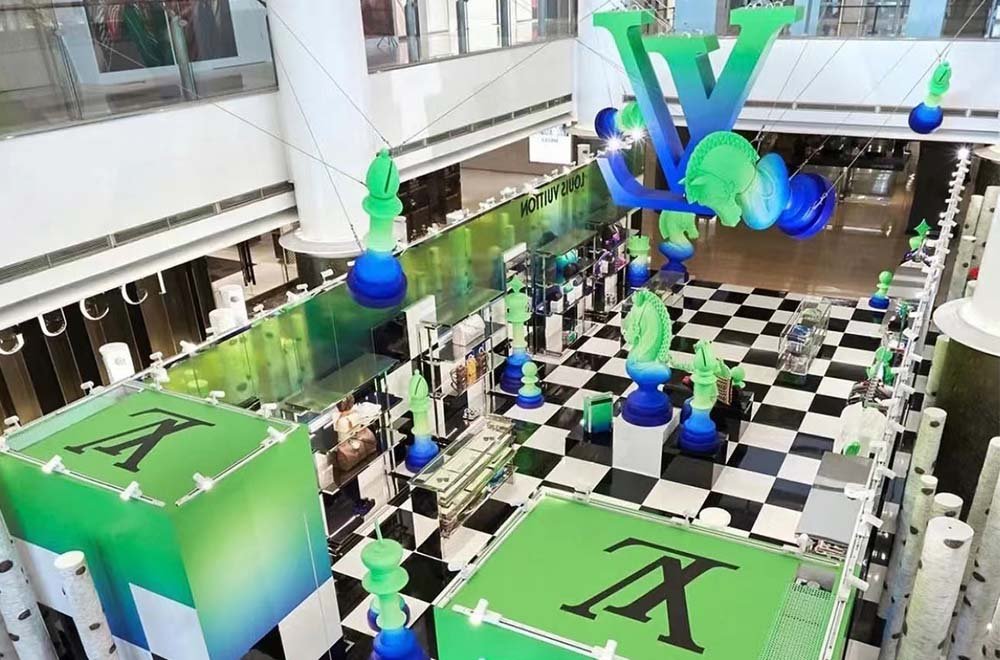
2. Create a focal point for store interior and store windows and front.
Using designed unique displays or props to create a focal point area in the store or store window and front, that to highlight your new product, a sale item, or a seasonal display.
3. Consider the customer shopping experience.
Thinking about how customers will move through your store with unique visual merchandising display props and ensure that displays are arranged in a logical and easy-to-navigate way.
4. Focus on the retail windows and display details in store
Paying special attention to your window displays, as this is often the first point of link between you and customers. Creating eye-catching displays that entice customers to step inside. For the small details of retail store, such as the placement of products and the use of props and signage. These small touches can make a big difference in the overall look and feel of the store.
5. Be seasonal display to keep fresh of your stores
Changing your window displays or display fixtures interior with the seasons and holidays to keep things fresh and interesting for customers. This will keep customers engaged and ensure that they continue to find new and interesting products when they visit the store.
6. Using lighting effectively to everywhere you need to highlight point
Lighting can be used to highlight certain products, create a mood, or draw attention to areas of the store. Making sure lighting is consistent throughout the store and that it complements the products being sold.

7. Use creative designed and eco-friendly props
Props can be a great way to add interest to your displays. They can help tell a story and create a theme that ties products together. Also, consider using sustainable materials and practices in your visual displays. This can appeal to environmentally conscious customers and can also help save money in the long run.
8. Provide interactive window display to feel interesting experience:
The interactive window display not only embodies the sense of technology, but also allows passers-by to stop and enjoy the fun of interaction.
9. Optimize Product Placement — Position Products for Maximum Impact
The strategic placement of products within your retail space can significantly influence purchasing decisions. Research consistently shows that products positioned at eye level generate up to 35% more sales than those placed on lower shelves. This phenomenon, known as the “eye-level is buy-level” principle, should guide your entire merchandising strategy.
Key Strategies:
- The Golden Shelf: Reserve eye-level shelves (typically 120-160cm from the floor) for your highest-margin items or new arrivals that need exposure.
- Cross-Merchandising Magic: Place complementary products together. For example, display mannequins wearing complete outfits rather than isolating individual items. A customer buying a dress is more likely to add shoes and accessories when they’re presented as a cohesive look.
- Vertical Blocking: Arrange products vertically by category rather than horizontally. Customers scan shelves vertically, so this technique increases the visibility of your entire range.
- Power Walls: Create a “power wall” on the right side of your entrance (most customers naturally turn right upon entering) featuring your newest or most profitable merchandise.
Real-World Example:
A boutique clothing store in Melbourne rearranged their accessories section using cross-merchandising principles. Instead of displaying belts, scarves, and jewelry in separate areas, they created styled “look zones” where complete outfits were presented together. The result? Their average transaction value increased by 28% within three months, with customers frequently adding 2-3 additional items to their purchases.
10.Tell a Story Through Displays — Create Emotional Connections
Effective visual merchandising transcends mere product arrangement; it creates narratives that resonate with your target audience. Story-driven displays engage customers emotionally, making your brand memorable and fostering deeper connections that go beyond transactional relationships.
Key Strategies:
- Theme Consistency: Every display should tell a cohesive story. Whether it’s “Summer Beach Escape” or “Urban Professional,” ensure all elements — props, colors, signage, and products — support the central narrative.
- Lifestyle Visualization: Show products in context. Instead of simply placing a kitchen mixer on a shelf, create a mini kitchen scene with ingredients, recipe cards, and lifestyle imagery that helps customers envision using the product in their own homes.
- Seasonal Storytelling: Refresh your stories quarterly to align with seasons, holidays, and cultural moments. A compelling Valentine’s Day story in February transitions to an outdoor adventure theme for spring.
- Brand Values Integration: Weave your brand’s core values into your displays. If sustainability is central to your brand, incorporate eco-friendly props and signage that communicates your environmental commitment.
Real-World Example:
A home décor retailer created a “Cozy Nordic Winter” display featuring warm textiles, ambient lighting, and hygge-inspired accessories. The display included a comfortable seating area where customers could physically experience the products. This immersive storytelling approach resulted in a 42% increase in sales for featured items compared to the previous month, with customers specifically mentioning the “warm atmosphere” as their reason for purchasing.
11. Design for Customer Flow — Guide the Journey Through Your Space
Understanding and optimizing customer flow — the path customers take through your store — is essential for maximizing exposure to your merchandise. Strategic layout design can increase the time customers spend in-store and ensure they encounter your key product zones.
Key Strategies:
- The Right-Turn Rule: Studies show that 90% of customers naturally turn right upon entering a store. Place your most impactful displays and premium products in this “decompression zone” to capture immediate attention.
- Layout Selection: Choose a layout that suits your space and goals:
- Grid Layout: Ideal for supermarkets and pharmacies; maximizes product exposure
- Loop (Racetrack) Layout: Guides customers through a predetermined path, ensuring they see all departments
- Free-Flow Layout: Creates an exploratory atmosphere perfect for boutiques and luxury retailers
- Speed Bump Displays: Place engaging displays along main pathways to slow customers down and draw attention to featured products.
- Avoid the Butt-Brush Effect: Ensure aisles are wide enough (minimum 90cm) to prevent customers from bumping into each other. Crowded spaces cause shoppers to leave prematurely.
Real-World Example:
A bookstore struggling with low sales in their back sections redesigned their layout from a simple grid to a loop configuration. They created a winding path that guided customers past all major categories before reaching the café at the rear. Along the path, they placed “discovery tables” featuring staff picks and new releases. This redesign increased average visit duration by 15 minutes and boosted sales in previously underperforming sections by 35%.
12. Measure, Test, and Iterate — Let Data Drive Your Decisions
Visual merchandising is not a “set it and forget it” activity. The most successful retailers continuously measure performance, test new approaches, and refine their strategies based on concrete data rather than assumptions.
Key Strategies:
- Heat Mapping Technology: Use in-store heat mapping cameras or Wi-Fi tracking to understand where customers spend the most time and which areas they ignore. This data reveals opportunities to optimize underperforming zones.
- A/B Testing Displays: Run controlled experiments by creating two versions of a display in different locations or alternating designs weekly. Track which version generates more engagement and sales.
- Conversion Analytics: Implement systems to track which displays lead to actual purchases. QR codes on signage, unique promotional codes for specific displays, or simple staff observations can provide valuable insights.
- Customer Feedback Loops: Train staff to gather informal feedback about displays. Ask customers what drew them in and what confused them. This qualitative data complements your quantitative metrics.
- Seasonal Reviews: Conduct comprehensive reviews quarterly. Analyze what worked, what didn’t, and document lessons learned for future campaigns.
Real-World Example:
An electronics retailer implemented a rigorous testing protocol for their window displays. Over six months, they tested three different approaches: product-focused displays, lifestyle scene displays, and promotional offer displays. By tracking foot traffic and conversion rates for each style, they discovered that lifestyle scenes attracted 40% more window shoppers into the store. They permanently adopted this approach and saw an overall 18% increase in foot traffic year-over-year.
For now, we know some important tips to improve visual merchandise in retail effectively. Of course, you also need an experienced retail display manufacturer who can offer complete solution from display props design, production to shipping to your hand at the same time. Here, VmDisplay is a leader to offer integrated supplies of display props to achieve your goal.

